
Look Up! Stargazing in Rhode Island: A Guide to the Night Sky

From planetariums and observatories to backyard skywatching, here are easy ways to turn the night sky into your next homeschool adventure
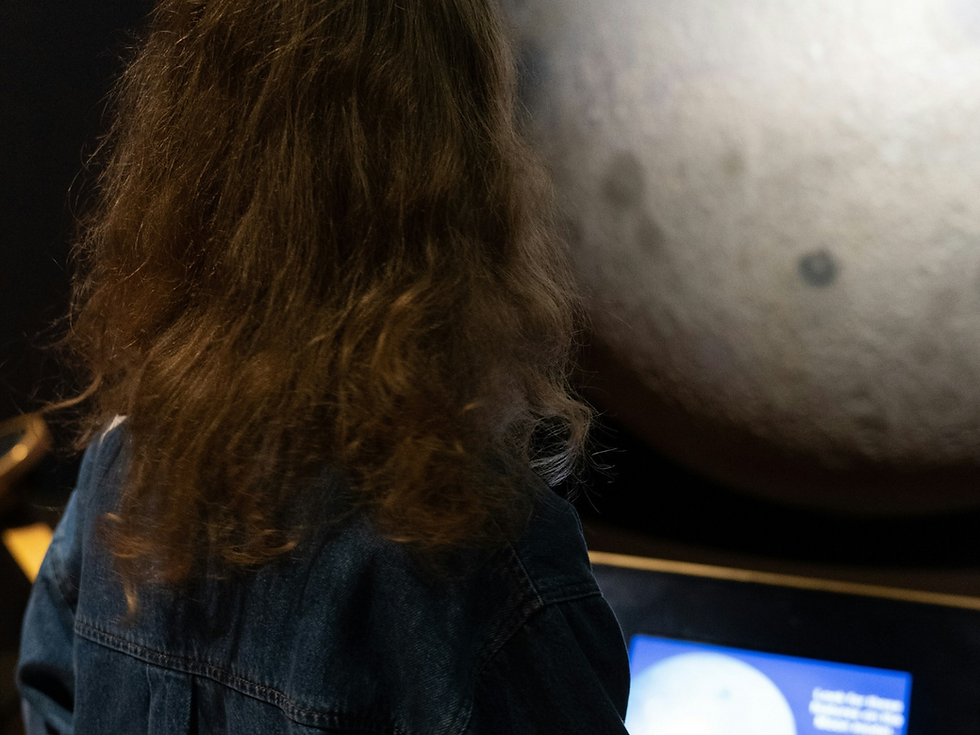
A fascination with the stars can lead to much more than memorizing the names of planets. From looking through telescopes in Rhode Island to exploring constellations, the Moon, space exploration, and the history of astronomy, here are ways homeschool families can follow the stars.
Rhode Island
Frosty Drew Observatory & Nature Center (Charlestown)
Head to Frosty Drew for public stargazing nights and the chance to look through telescopes with astronomers and volunteers. Depending on the night, you may see the Moon, planets, star clusters, nebulae, galaxies, or the Milky Way. Check the event calendar before you go since programs are weather dependent. Keep an astronomy journal and record what you see, when you saw it, and what questions you have about it.
Margaret M. Jacoby Observatory (Warwick)
The Margaret M. Jacoby Observatory at Community College of Rhode Island offers public observing opportunities where families can explore the night sky through its telescope. Before you visit, choose something you'd like to find — maybe the Moon, a planet, or a star cluster — then research it afterward to learn more about what you saw.
Ladd Observatory (Providence)
Built in 1891, Brown University's Ladd Observatory offers a chance to explore both astronomy and the history of science. Learn about the stars through the observatory's public programs, then investigate how astronomers once used observations of the night sky for timekeeping before modern technology.
Seagrave Memorial Observatory (North Scituate)
Operated by Skyscrapers, Inc., Seagrave Memorial Observatory offers public observing opportunities where families can look through telescopes and learn from amateur astronomers. Pick one object in the sky to research before your visit and see if you can find it when you arrive.
Museum of Natural History & Planetarium (Providence)
You don't have to wait for a clear night to explore space. The Museum of Natural History & Planetarium offers planetarium programs that let kids explore the night sky from inside the dome. Pair a planetarium visit with an evening outside and see if your child can find any of the stars, planets, or constellations they learned about.
Rhode Island Libraries (Statewide)
Build a star study from your local library shelf. Look for books about astronomy, constellations, planets, the Moon, space exploration, and famous astronomers. Older kids can use library databases for research, while younger children can choose books to read together before heading outside to look at the sky.
Note: If your library has a Library of Things, see if you can borrow binoculars or a telescope for your astronomy study.
Massachusetts
EcoTarium (Worcester, MA)
Take your astronomy learning beyond Rhode Island with a visit to the EcoTarium. Its permanent Lift Off! Space Explorers exhibit lets kids explore rockets, telescopes, light, and the night sky through hands-on activities. The Alden Planetarium also offers programs that take visitors on an immersive journey through space, so check the planetarium schedule before you go.
Museum of Science (Boston, MA)
For a bigger science adventure, head to Boston’s Museum of Science and the Charles Hayden Planetarium. Kids can explore the night sky through live planetarium presentations that take them from stars and constellations to planets, nebulae, and the wider universe. Pair the visit with a walk along the Charles River and see what you can spot in the real night sky afterward.
Connecticut
Treworgy Planetarium at Mystic Seaport Museum (Mystic, CT)
Stars aren't just beautiful to look at — they once helped people find their way. At Mystic Seaport Museum's Treworgy Planetarium, kids can learn how sailors used the Sun, Moon, stars, and planets for navigation. It's a chance to connect astronomy with history and discover why stars were once like the world's original GPS.
Online Learning:
Want to know what's happening in the sky? NASA's Skywatching resources include information about the Moon, planets, meteor showers, eclipses, and other things you can look for from Earth. Pick something happening in the sky and make it your next homeschool observation project.
Explore planets, moons, asteroids, comets, and spacecraft with NASA's interactive 3D space tools. Choose a planet or mission to investigate, then compare what you learn online with what you can actually see from Earth.
Follow the Night Sky
You don't need to visit an observatory to study the stars. Pick something in the sky and follow it over time. Track the Moon's changing shape, learn to find a constellation, watch for a planet, or follow a meteor shower. Keep a simple observation journal and see what changes from one night to the next. It's an easy way to turn looking at the sky into a science study.
Want to turn a fascination with the stars into real learning? Create a Night Sky Unit Study
Try building a star-themed homeschool unit that combines science, geography, reading, creativity, and hands-on exploration:
Learn the difference between stars, planets, moons, asteroids, and comets
Study the phases of the Moon
Learn to identify constellations
Keep a night-sky journal
Visit a planetarium
Visit an observatory
Study how telescopes work
Research the history of astronomy
Track a meteor shower
Research a space mission
Explore constellation mythology
Investigate light pollution
Create constellation art
Suddenly you're covering science, geography, math, reading, writing, history, and art — all through a fascination with the night sky.
Final Thoughts
The best homeschool learning often starts with curiosity. A fascination with the stars can become so much more than learning the names of planets — it can lead to questions about science, history, technology, mythology, and our place in the universe. Whether your child is looking through a telescope, exploring a planetarium, reading about astronomy, or watching the Moon from the backyard, follow those questions and see where they lead.
About the Author

M.J. Mercure is the founder and editor of Happy Homeschool RI, a publication connecting Rhode Island homeschooling families with local events, educational opportunities, and hands-on learning adventures. Subscribe to Happy Homeschool RI for weekly field trip ideas, local events, and homeschool resources delivered straight to your inbox.
Have an event or opportunity to share? Email happyhomeschoolmedia@gmail.com



Comments