
How to Learn About Elephants Beyond the Zoo in Rhode Island

Updated: Aug 20
Enter a world of elephant-themed learning resources, activities, and educational opportunities for Rhode Island homeschool families
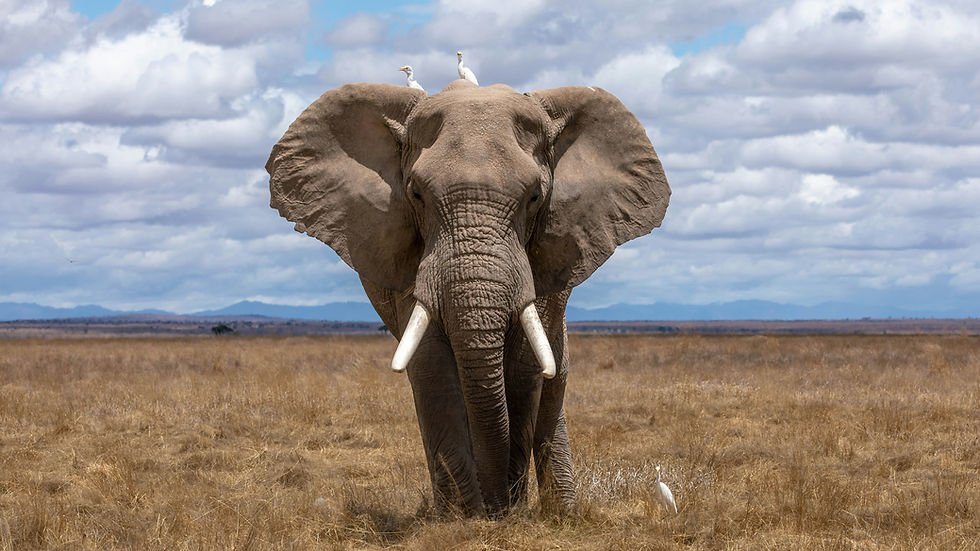
An elephant obsession can lead to much more than a trip to the zoo. From observing elephants in Providence to exploring art, anatomy, African geography, conservation, and animal science, here are ways Rhode Island homeschool families can follow the elephant trail.
Rhode Island
Roger Williams Park Zoo (Providence)
While Roger Williams Park Zoo has long been the go-to place for elephant study in Rhode Island, now is a special time to visit Alice, Ginny, and Kate. The three African elephants are expected to move together to The Elephant Sanctuary in Tennessee in late 2027, giving families a limited window to observe their behavior, relationships, personalities, and care while they are still in Providence.
RISD Museum (Providence)
Elephants aren't just animals to study — they're also subjects in art. The RISD Museum's collection includes artworks featuring elephants, including Amy Cutler's Elephant Ferries. Search the museum's online collection before your visit and challenge your child to find different ways artists have represented elephants. Then create your own elephant-inspired artwork and think about how you want to show the elephant’s personality, movement, or place in the world, through color, size, movement, and setting
A mother-and-baby pair of elephant sculptures from The Great Elephant Migration now have a permanent home at Aquidneck Park in Newport, near the Newport Public Library. Maybe check out an elephant anatomy book or other books about elephants from the library, find a spot on the grass nearby, and compare the body parts and features in the book with the sculptures while enjoying an elephant-themed reading picnic.
Rhode Island Libraries (Statewide)
Build an elephant study from your local library shelf. Look for picture books, nonfiction books, wildlife and nature magazines, animal encyclopedias, conservation resources, and books about Africa and its geography. Older kids can search library databases for elephant articles, photographs, and research, while younger children can choose a few elephant books to read together. Let your child’s questions guide what you borrow — then turn that elephant obsession into a deeper research project.
Note: If your library has a Library of Things, see if you can borrow a map or globe and use it to find where African and Asian elephants live.
Online Learning:
Want to take your elephant study beyond Rhode Island? The World Wildlife Fund’s Elephant Toolkit offers lessons, activities, printables, videos, and quizzes covering elephant behavior, conservation, threats, habitats, and more. It’s designed for grades 3–5 but can be adapted for other ages.
A fascinating study of African elephants suggests they might! In this short video from the Museum of Science, learn how researchers spent 36 years recording elephant calls in Kenya and discovered that certain sounds may be linked to individual elephants. Watch what happened when researchers played one elephant’s “name” over a loudspeaker, then talk with your child about how scientists study animal communication and behavior.
Follow an Elephant Across Africa
You don't have to travel to Africa to explore an elephant's home. Pull out a map or globe — see if you can borrow one from your library — and follow African elephants across the continent. Explore where they live, what their habitats and climates are like, where they find water, and what happens when wildlife habitats overlap with human communities. It's an easy way to turn an elephant obsession into a geography and conservation adventure.
Want to turn an elephant obsession into real learning? Create an Elephant Unit Study
Try building an elephant-themed homeschool unit that combines science, geography, reading, creativity, and hands-on exploration:
Read elephant fiction and nonfiction
Compare African and Asian elephants
Map African elephant habitats
Study elephant anatomy and adaptations
Research elephant communication
Calculate elephant height, weight, and food consumption
Create an elephant field journal
Draw or sculpt an elephant
Research an elephant conservation issue
Investigate how scientists track wild elephants
Compare elephants with another mammal
Suddenly you're covering science, geography, math, reading, writing, art, history, and conservation — all through a topic your child already loves.
Final Thoughts
The best homeschool learning often starts with curiosity. An obsession with elephants can become so much more than learning animal facts — it can lead to questions about science, geography, art, conservation, and the relationship between humans and wildlife. Whether your child is watching elephants at the zoo, studying them through art, mapping their habitats, or researching how scientists study them, follow those questions and see where they lead.
About the Author

M.J. Mercure is the founder and editor of Happy Homeschool RI, a publication connecting Rhode Island homeschooling families with local events, educational opportunities, and hands-on learning adventures. Subscribe to Happy Homeschool RI for weekly field trip ideas, local events, and homeschool resources delivered straight to your inbox.
Have an event or opportunity to share? Email happyhomeschoolmedia@gmail.com


Comments